
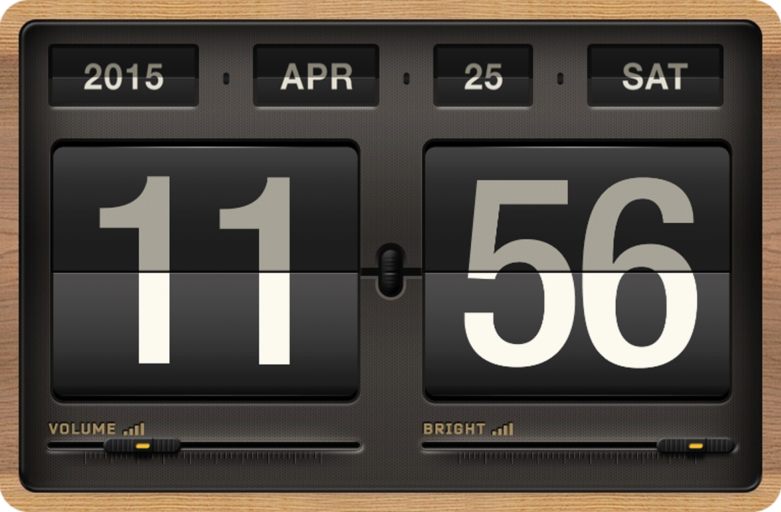
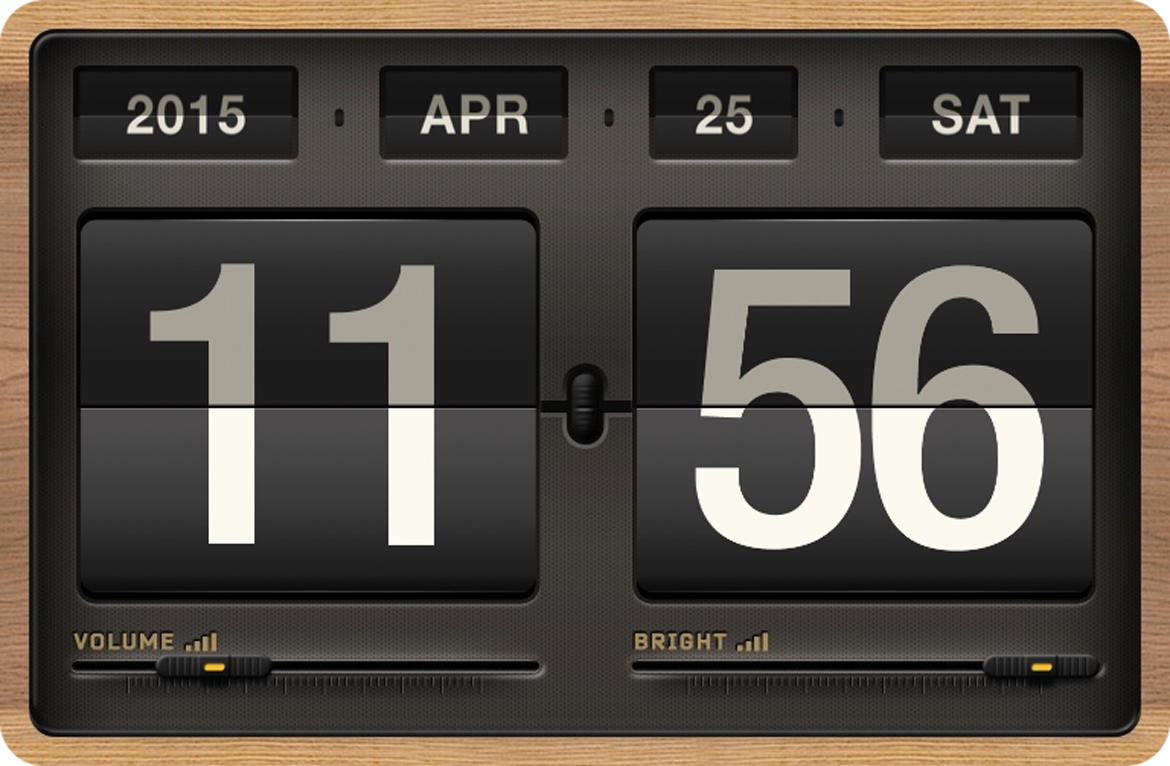
April 25, 2015, was a day that we will never forget.
The earthquake, a big one, was something that we’d been preparing for. It was something we were all aware could happen at any moment. Since records began, there has been a pattern of about 73 years between large quakes in Nepal, and with the last one happening in 1933 we were about eight years overdue.
In January, I had a dream. It was a particularly vivid dream and one that even now, I can recall as if it were a film I’d watched. Unusual for dreams, which seem to fade quite quickly from the memory after waking. In this dream, both Pratiksha and I were flying back into Kathmandu on a domestic flight, and the plane was full of UMN expatriates. As we came into land, I was looking out of the window and could see all of the buildings on either side of the airport collapsing in a row, like a morbid version of domino’s falling. It was a harrowing dream and one that took a while to recover from. Neither of us is blessed with the gift of interpreting dreams, but at the time I was convinced this was a message from God telling us that the earthquake was coming this year, but that when it did come, we wouldn’t be in Kathmandu for it. This was exactly how it turned out. All of UMN’s ex-pats (minus a few who were out of the country on home assignment) were spending the weekend in Pokhara on a retreat.
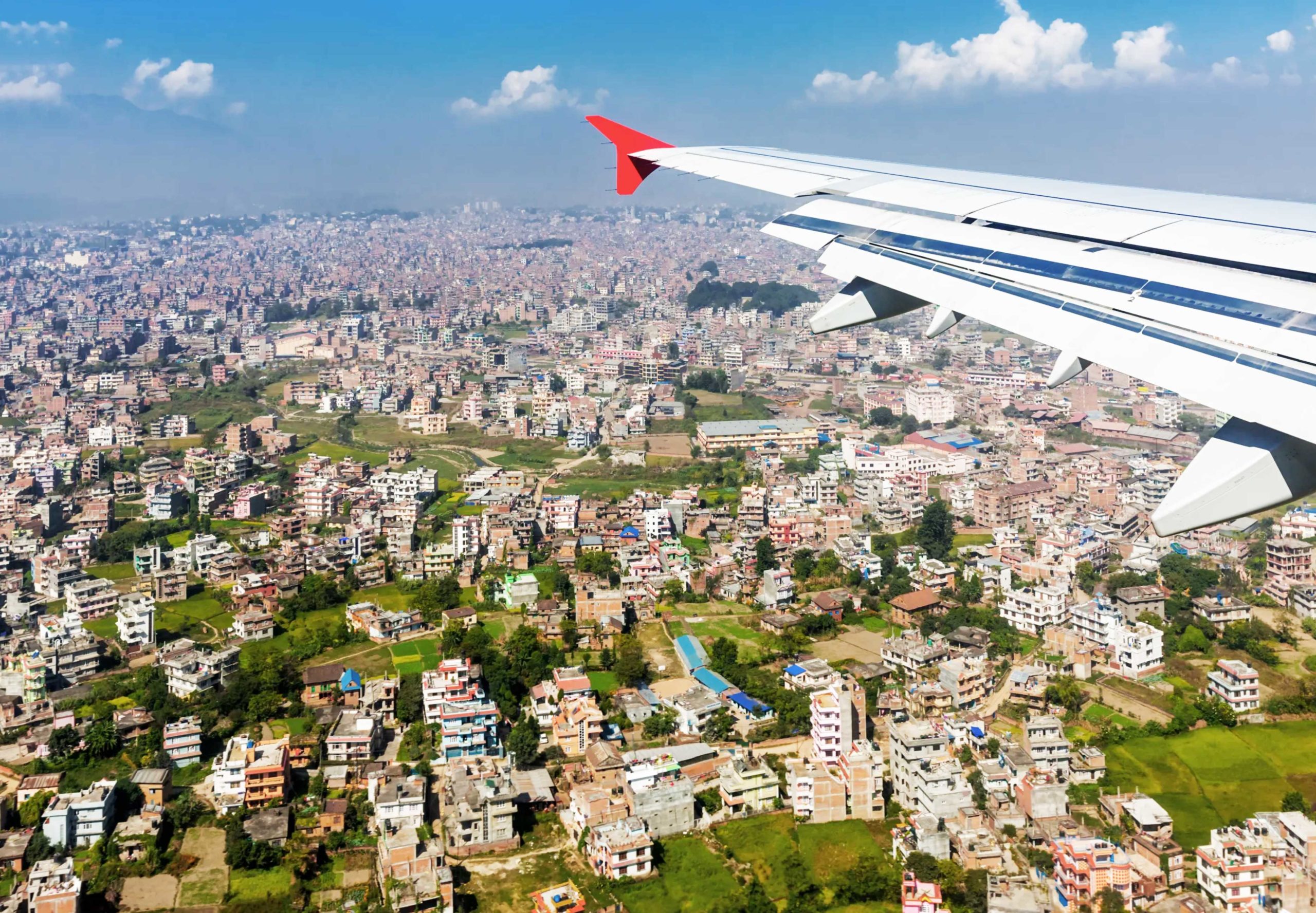
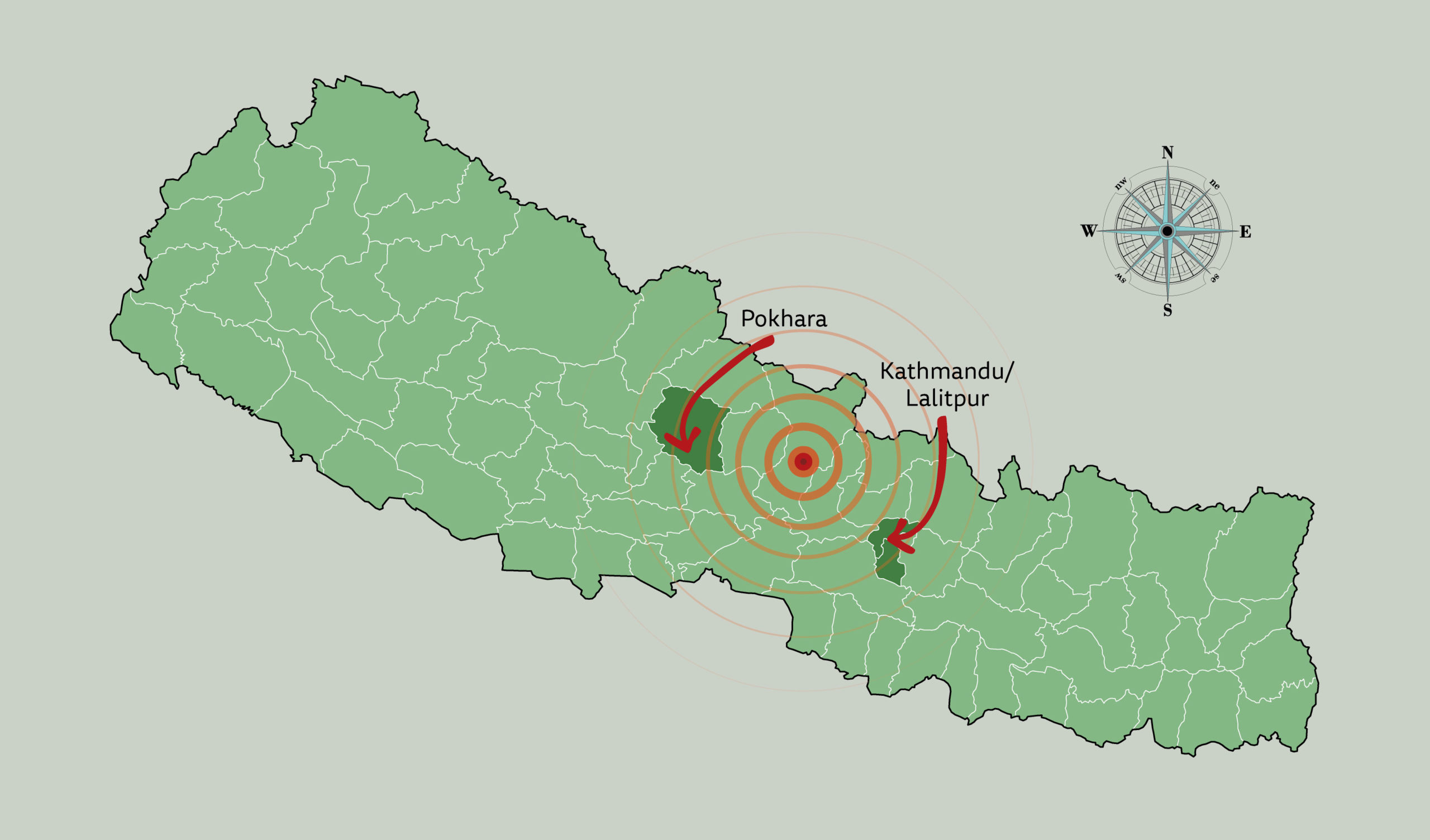
The epicentre was in a place called Gorkha, around 140 KM west of Kathmandu, and 70 KM east of Pokhara. While it was much closer to where we were than in Kathmandu, I think the devastation was worse in Kathmandu because of the valley that it sits in. The shockwaves bounced around a lot more than they did with us to the west. Also, the nature of the buildings in Kathmandu, how poorly built a lot of them were, and so closely packed together, meant they were much more likely to be in trouble from an earthquake than some of those in Pokhara.
Shortly before the quake struck at 11:56 am, we were all in a conference room in the hotel having a morning prayer session. We had broken into small groups to pray together, and I had ended with a prayer for a colleague who had been in Nepal for around six months but was struggling to find anything useful or fulfilling to do. He was a trained psychologist, and I prayed that God would show His purpose to this person. It turns out that having this person on the UMN team was vital to helping many staff overcome psychological issues caused by the earthquake!
The session had ended and we were standing around talking when suddenly the whole building began to shake violently. It only took a few seconds to get outside, and we gathered near the swimming pool and bar area of the hotel, holding on to our loved ones. I can’t remember any sound, but I’m told by others that it was very loud, like a freight train. To me, it was silence, and I wonder if my brain blocked it. I remember feeling like I was standing on a trampoline while others were bouncing up and down, and trying to stay balanced. The pool had tidal waves lapping over all sides. The waves were 10 feet tall at least!
I looked around at everyone, holding Pratiksha close to me. The windows of the surrounding buildings were flexing incredibly like they were sheets of thin metal being wobbled. Incredibly, none of them broke.
The quake officially lasted for around 50 seconds but seemed much longer. If you’d asked me I would have said at least two minutes. When it finally died down, we looked around to see if there was any visible damage and that everyone was okay. Pratiksha immediately tried to phone her family back in Kathmandu, and although it was still early in the UK (around 6:15 am), I decided to call my parents. I woke them and spoke to my mum. She found it very hard to hear what I was saying and wasn’t sure what had happened. She ended the call and turned on the TV where she saw the news of the earthquake breaking on BBC. What she had been able to ascertain from our call was that we were all okay, so while watching the shocking news from 7,000 km away, she was comforted by that.
Pratiksha was able to talk to her mum in Kathmandu, and we were relieved that they were all safe. They’d been on the third floor of a building, so the effects were amplified from what we’d experienced on the ground. There was a large plot of empty land opposite their house, and all the neighbours gathered there for safety, in case of further shocks. This turned out to be ‘home’ for many neighbours for quite a few weeks after the earthquake.
One of Pratiksha’s cousins was staying at our house with Rashmi. They both secured the property and collected a few things and then together with our dog Zuzu, battled the 3 km to be with Pratiksha’s mum and sisters. The journey took a lot longer than usual, due to the number of people now out on the streets, the fact they had to walk Zuzu and the number of aftershocks that were occurring. Her dad was also out of the valley at the time of the quake, and told us later that they were travelling in a minivan and didn’t even know there had been one! They thought their driver was drunk when he suddenly started swerving across the road and all shouted at him!
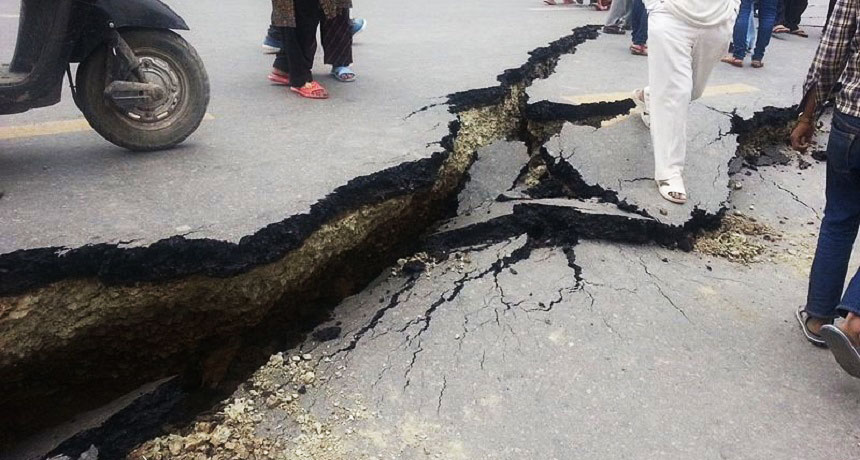
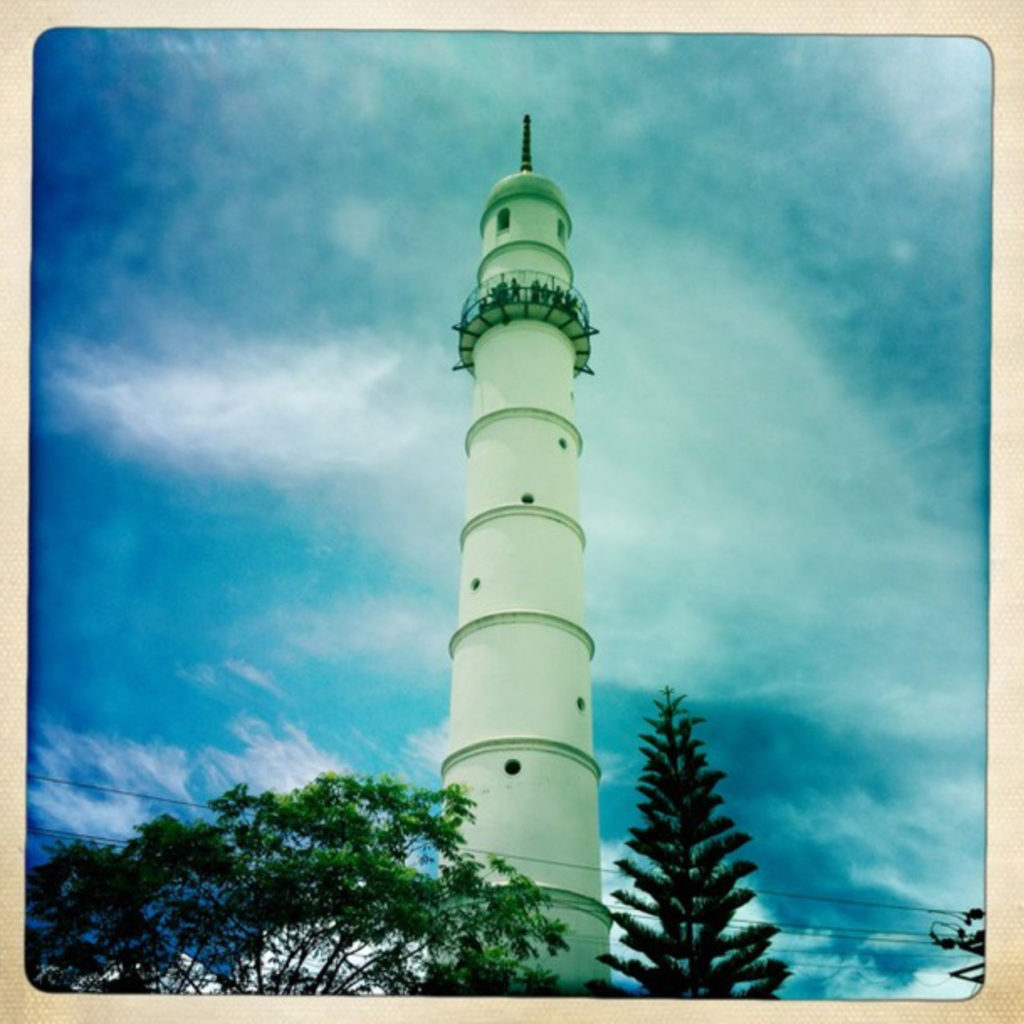
Back in Pokhara, news of the devastation in Kathmandu was slowly coming through. We heard of the collapse of the historic Dharahara tower, killing all those who were in there at the time.
The fact that we as an organisation were all together meant that the planned and practised walking tree didn’t have to happen.This would have likely taken most of the day, but as it happened, members of the UMN Leadership Team who were together in Pokhara were able to immediately start coordinating some sort of relief strategy, first checking on Kathmandu Nepali staff and families.
The retreat was cut short, but with travel uncertain people would stay in Pokhara until we could safely travel back to Kathmandu. It was decided that the some of us left Pokhara the next morning and headed to Kathmandu.
The journey back took around eight hours and was thankfully uneventful. We were concerned there might be obstacles caused by damage to roads or bridges, heavy traffic, or even being blocked from going far and having to turn back, but these were relatively minor. Any heavy traffic we encountered was generally heading out of Kathmandu, with many buses so full that people were riding on the roofs. As we approached Gorkha, the epicentre of the earthquake, the scope of the damage became more and more apparent. The drive into the outskirts of Kathmandu was eerie, with many buildings seemingly unharmed by the earthquake, only for an odd house to be destroyed, or as in one case, completely flipped on its head.
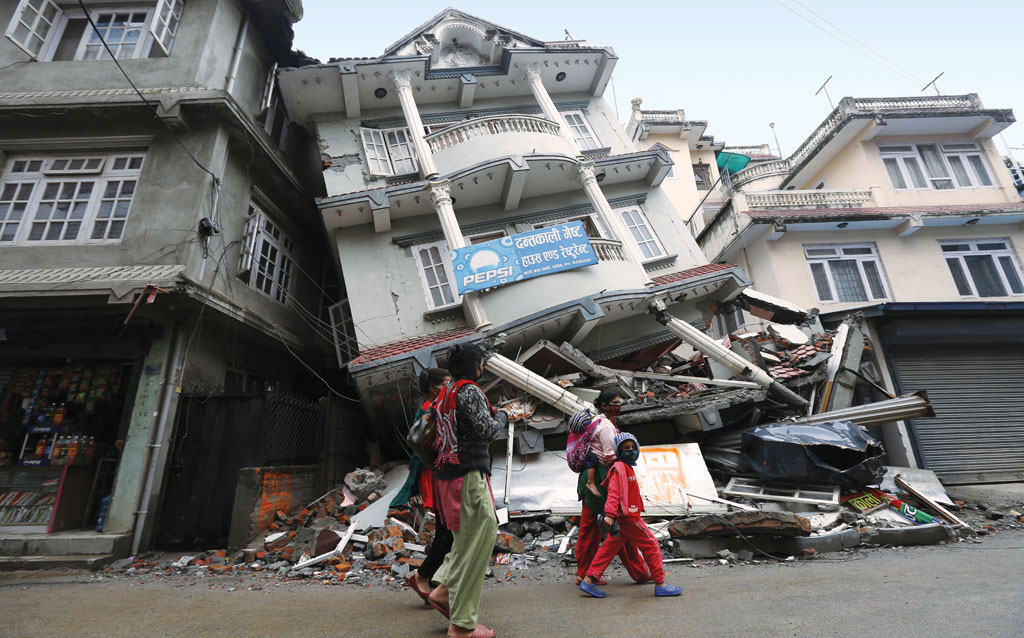
We were dropped on the ring road, not far from Pratiksha’s parents home, and made the 30-minute walk past further damaged buildings, at one stage having to walk over piles of bricks. We found Pratiksha’s mum and dad, sister Kritee, cousin Diksha and Rashmi, together with Zuzu all camped under a sheet of tarpaulin amongst a dozen other families. These hastily erected shelters had sprung up wherever there was a large open space as people were still afraid to sleep in their homes, half expecting a larger earthquake to come at any moment. We were tearfully welcomed, and it was then that I realised how fortunate we had been as a family. So many others were not. Every 20 minutes or so, we were shaken by aftershock after aftershock. It became a ‘new normal’ to get used to, and eventually, I was able to sleep, only waking a handful of times during the night.
I was conflicted about leaving Nepal for the UK. While I really wanted to be with my family to celebrate the life of my Nan who had passed away only weeks ago, I felt like I was abandoning Pratiksha and her family in times of real struggle and danger. They were all adamant however that I should go. Trusting in God, I once again prayed for His guidance. I knew that if I was supposed to leave He could make it happen, just as He could block it if I was supposed to stay. My flights had been booked with Qatar Airways a week earlier, so I didn’t have the hassle that the many people desperately trying to leave Nepal had of finding a seat on a plane. I arrived at the airport much earlier than I would have usually done and was amazed at the sight before me. The place was packed with people standing shoulder to shoulder, and barely any room to move. I managed to check-in and went straight to the security check area, where many more people were standing, again with no room to move and no signs of any system of queueing to go through security. We were told by the airport staff not to worry and that we would be called through as our flights were confirmed. It was still not sure that all flights would leave at all, and none were leaving on time.
Mum, back in the UK and eagerly waiting for my return, was monitoring the flights’ situations online and keeping me updated. She was able to tell me more from 7,000 km away than I could find out right there in the airport! There were three Qatar flights scheduled for that day, with mine the second. Mum informed me that the first Qatar flight had been cancelled, and I mentally prepared myself for the news of my own flight being called off. I was stood in the security area for around three hours, during which time we suffered seven or eight aftershocks. Each one causing the crowds of people to quiet immediately and brace for the worst. There was nowhere to go, and we shared knowing glances that if a big one came and the building collapsed, we stood no chance.
Eventually, my flight number was called and I made my way through the throngs of people still waiting for news of their own flights. Very quickly I was ushered onto a bus and taken to the waiting plane. People ahead of me boarding the steps started to show their relief. The flight attendant at the door greeted me and said, “Don’t worry, you’ll be safe at home soon”. I wanted to say “THIS is my home!”, but I smiled and thanked her. Safely seated, I started to think about what was next. The flight was already over four hours late, and my connecting flight to the UK was due to leave around three hours before I would arrive. I didn’t know what I would need to do, but I needn’t have worried.
When I arrived and left the plane, a Qatar staff member was waiting with a sign saying “LONDON”. I approached and said I was supposed to be flying to London, and she smiled and asked for my onward ticket, and then asked me to wait while she collected the rest of the passengers due to go to the UK. When we were all together, she told us that we had already been booked onto a new flight and had nothing to worry about. She gave us all our new tickets for a flight that was six hours away, and because of the delay, a voucher for food. I have to say the Qatar staff were amazingly helpful during what was for all of us concerned one of the most stressful circumstances any of us had been in. I later found out that of the three Qatar flights scheduled, mine was the only one to leave, with the one after mine being cancelled just as we left. My prayer for God to get me safely out of Nepal, or to keep me there if it was His will had been answered with the usual style which left no doubt as to His hand being involved.
Arriving at my parents home was emotional, to say the least. And when I saw the coverage of the earthquake on BBC News, I was shocked and thought there had been a bigger, more devastating quake. The footage seemed to show vast areas of Kathmandu that had been flattened. I quickly realised that this was the news trying to make things look worse than they were by only showing damaged areas, and cropping out the houses to the left and right which were undamaged. Being back in the UK I was able to share the truth about what had and was happening in Kathmandu, and what it was like to be constantly shaken. Just as you started to forget the dangers, the ground would grumble and shake and you would remember, the heartrates jumping with each shock. I was also able to point people who wanted to donate in the direction of organisations like UMN and INF who were offering relief work to the worst-hit area of Dhading, where both work.
Thank you to all for your messages of comfort and prayers for us as a family, and Nepal as a nation. Continue to remember us as we get used to a new normal for the unforeseen days ahead. We were fortunate, but so many others were not, with nearly 9,000 people killed, and over 22,000 injured. Many others lost livelihoods with livestock killed during or as a consequence of the earthquake.
It is still taking time to not worry with every slightest move. Sitting on the sofa earlier, it started to shake and my heart stopped and I went cold, getting to my feet bracing for a big one. It was just Zuzu moving, but these are the things we have to now get used to.
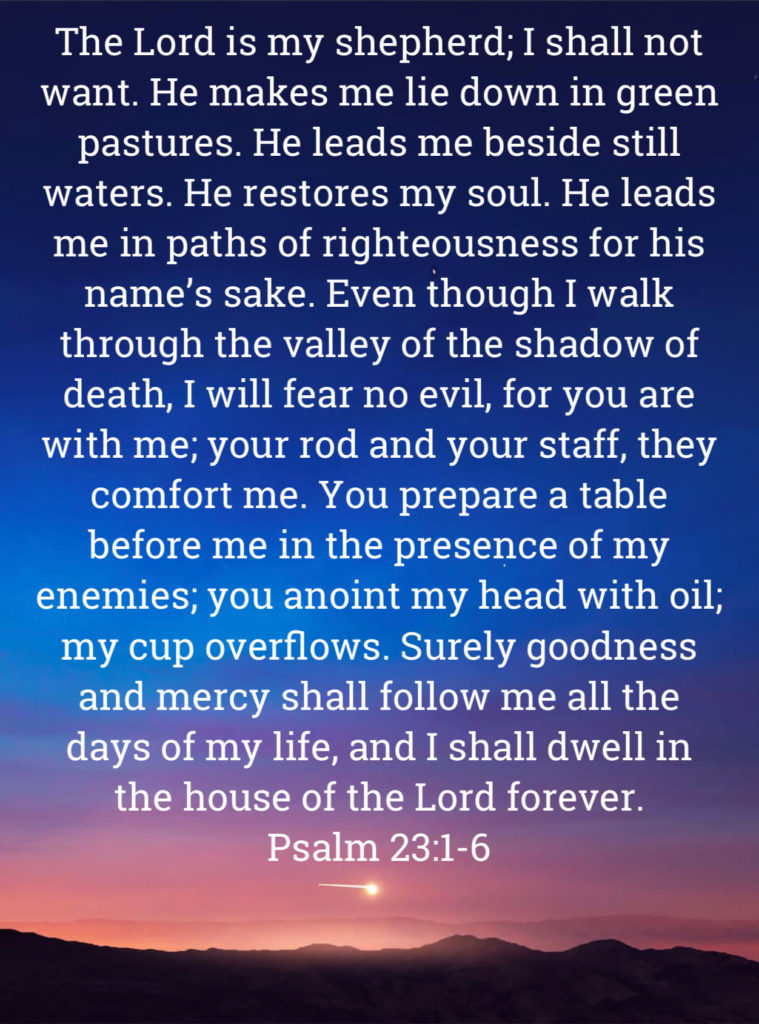
We continue to praise God who protects us.